Understanding Window Lock Parts: A Comprehensive Guide
Windows are not just openings for light and air; they are important elements of a building's security and energy effectiveness. straight from the source of window performance is the locking system, which ensures that windows can be securely closed and opened as required. This short article delves into the numerous parts of window locks, their functions, and how to keep them to ensure ideal efficiency.
Intro to Window Locks
Window locks are developed to secure windows in a closed position, preventing unapproved access and guaranteeing that the window remains firmly sealed. They can be found in numerous types, each matched to various window designs, such as casement, double-hung, and moving windows. Understanding the elements of a window lock is necessary for homeowners, maintenance experts, and anyone included in window setup or repair.
Common Types of Window Locks
Web cam Locks
- Description: Cam locks are frequently utilized in casement windows. They consist of a manage and a rotating web cam that engages with a strike plate.
- Function: When the handle is turned, the webcam turns and pushes against the strike plate, securing the window in location.
Latch Locks
- Description: Latch locks are usually discovered in double-hung windows. They include a latch that slides into a keeper.
- Function: The latch slides into the keeper, locking the window in location and preventing it from being opened from the exterior.
Move Locks
- Description: Slide locks are used in sliding windows and outdoor patio doors. They consist of a sliding system that engages with a locking point.
- Function: The slide lock moves along a track and locks into place, securing the window or door.
Multi-Point Locks
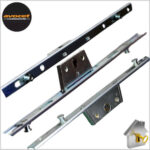
- Description: Multi-point locks are utilized in high-security applications and provide numerous locking points along the window frame.
- Function: These locks engage at numerous points, supplying boosted security and a tighter seal.
Secret Components of Window Locks
Deal with
- Description: The deal with is the part of the lock that the user engages with to open and close the window.
- Function: It provides a grip for turning or moving the lock system.
Web cam or Latch
- Description: The cam or latch is the moving part of the lock that engages with the strike plate or keeper.
- Function: It locks the window by pushing versus the strike plate or sliding into the keeper.
Strike Plate or Keeper
- Description: The strike plate or keeper is the fixed part of the lock that the web cam or lock engages with.
- Function: It offers a surface for the web cam or lock to push versus or slide into, protecting the window.
Spring
- Description: Springs are frequently utilized in window locks to provide stress and make sure that the lock stays in place.
- Function: They assist to keep the lock system tight and avoid it from loosening gradually.
Mounting Hardware
- Description: Mounting hardware consists of screws, bolts, and brackets utilized to attach the lock to the window frame.
- Function: It guarantees that the lock is safely attached and works properly.
Maintenance and Troubleshooting
Appropriate maintenance of window locks is essential for their longevity and efficiency. Here are some suggestions for maintaining and troubleshooting typical concerns:
Regular Cleaning
- Action: Clean the lock system with a soft cloth and moderate detergent.
- Benefit: Prevents accumulation of dirt and particles that can interfere with the lock's operation.
Lubrication
- Action: Apply a percentage of lubricant to moving parts, such as the cam or slide system.
- Benefit: Reduces friction and guarantees smooth operation.
Look for Wear and Tear
- Action: Inspect the lock for signs of wear, such as loose screws or harmed parts.
- Advantage: Identifies possible problems before they become significant issues.
Modification
- Action: Adjust the strike plate or keeper if the lock is not engaging correctly.
- Advantage: Ensures that the lock functions correctly and the window is firmly closed.
Replacement
- Action: Replace used or broken parts as required.
- Advantage: Maintains the security and functionality of the window.
Frequently asked questions
Q: How frequently should I oil my window locks?
- A: It is suggested to lubricate window locks once or twice a year, depending upon use and environmental conditions.
Q: What kind of lubricant should I utilize for window locks?
- A: Use a silicone-based lubricant or a light machine oil. Prevent using grease, as it can bring in dirt and dust.
Q: Can I replace a broken window lock myself?
- A: Yes, lots of window locks can be replaced with standard tools. Nevertheless, if you are not sure, it is best to speak with an expert.
Q: How do I know if my window lock requires adjustment?
- A: If the lock is tough to engage or disengage, or if the window does not close safely, it may require modification.
Q: What should I do if my window lock is jammed?
- A: Try using lube and gently working the lock back and forth. If this does not work, it might be required to dismantle the lock to recognize and solve the issue.
Window locks are vital for the security and performance of windows. Comprehending the different kinds of locks and their components is essential for proper maintenance and troubleshooting. By following the tips described in this post, homeowners and upkeep professionals can ensure that their window locks continue to carry out efficiently, providing comfort and energy effectiveness.
By putting in the time to care for window locks, you can extend their lifespan and maintain the stability of your windows, adding to a safer and more comfortable living environment.